Grief doesn’t do what we were told it does.
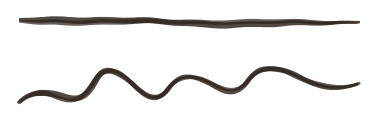
We were handed a shape for this. A dip, then a recovery, then you’re fine. Anyone who’s been through it knows that isn’t what happens, and most people quietly assume the problem is them.
It isn’t. The shape was wrong.

What it actually does
Grief moves between two places. Some hours you’re in the loss. Other hours you’re making dinner, laughing at something, getting through the day. That back-and-forth isn’t avoidance, it’s how people survive it. Researchers Margaret Stroebe and Henk Schut called this the dual process model, and it’s the most useful correction to the five stages I know of.

It doesn’t shrink
The common hope is that grief gets smaller. Lois Tonkin’s version is better: grief stays the size it was, and life grows around it. The goal isn’t to feel it less. It’s to build a life large enough to hold it.

About the five stages
Elisabeth Kübler-Ross was describing people who were dying, not people who were grieving. She later wrote that the stages were never meant to be a tidy sequence. They’re real experiences, but they aren’t a checklist, and if you’re not hitting them in order, nothing is wrong with you.

Grief that starts early

Grief doesn’t wait for a death. When someone you love is ill, or slowly becoming someone else, you can grieve them while they’re still here. It has a name, anticipatory grief, and it’s normal. It can come with guilt, exhaustion, and moments of relief you don’t want to admit to. All of that is allowed.
When the paperwork gets in the way

After a death, there’s a flood of practical work: accounts, forms, calls, decisions. Grief doesn’t disappear while you do it. It gets postponed. Many people describe the first months as something they got through rather than something they felt, and the mourning arrives later, all at once.
This is a large part of why I care about planning ahead. Every form sorted in advance is time given back to the people who’ll need it most.
Endings that aren’t deaths

The end of a marriage. A job that defined you. A friendship that faded. A country you left. A version of your body. These are real losses, and they’re rarely treated that way. Nobody sends flowers when a business closes. The grief is still grief, and it deserves the same patience.
If you’re standing next to someone
You can’t fix it, and trying is usually what goes wrong. The job is to stay. Keep showing up after the casseroles stop. Say the dead person’s name out loud. Remember the anniversaries. Don’t ask what you can do. Just do a specific thing.
This isn’t therapy and it isn’t a substitute for it. If grief is making it hard to eat, sleep, work, or stay safe, talk to a licensed therapist.
If you’re in crisis in the US, call or text 988. Elsewhere, findahelpline.com lists free support in your country.